knife sharpening angle guides
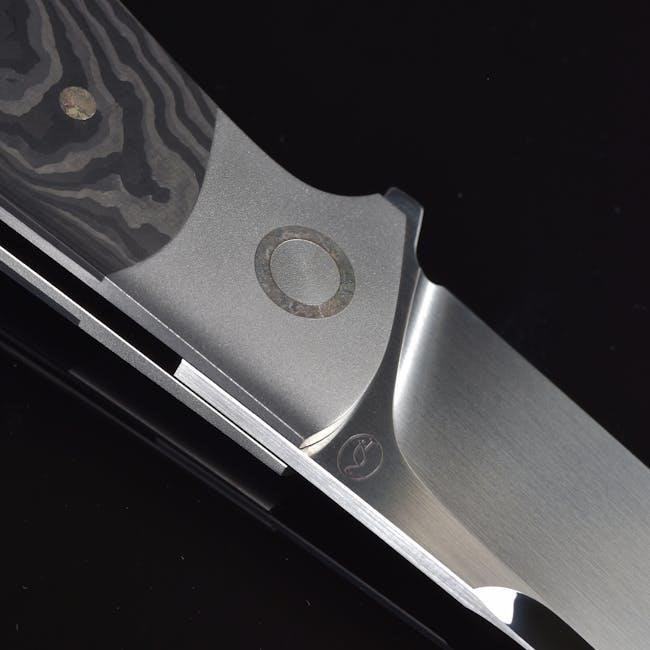
Knife sharpening angle guides are essential tools for maintaining consistent blade angles during sharpening, ensuring precision and efficiency for both professionals and beginners alike.
1.1 What Are Knife Sharpening Angle Guides?
Knife sharpening angle guides are tools designed to help maintain consistent blade angles during the sharpening process. They typically attach to the knife or sharpening stone, ensuring precise control over the edge angle. These guides come in various forms, from simple plastic or metal clips to adjustable mechanisms, catering to different knife types and user preferences. They simplify the sharpening process, making it more efficient and effective for both professionals and beginners.
1.2 Importance of Using Angle Guides for Sharpening
Using angle guides ensures precise blade alignment during sharpening, preventing uneven edges and enhancing sharpness. They minimize mistakes, especially for beginners, by maintaining consistent angles. Guides save time and effort, as they eliminate the need to guess angles repeatedly. Suitable for various knives, they optimize sharpening efficiency, leading to better cutting performance and longer blade durability with minimal effort required.

Understanding Sharpening Angles
Sharpening angles are crucial for achieving sharpness and durability. The ideal angle varies by knife type and steel hardness, ensuring optimal performance. Incorrect angles can lead to inadequate results, making proper guidance essential for mastering the technique. Consistency is key to maintaining a razor-sharp edge tailored to the knife’s intended use and material composition, ensuring longevity and effectiveness in various cutting tasks.
2.1 What Is the Sharpening Angle and Why Does It Matter?
The sharpening angle refers to the angle at which the blade meets the sharpening tool. It determines the knife’s edge geometry, directly impacting sharpness, durability, and performance. A proper angle enhances cutting efficiency, prevents wear, and ensures safety. Incorrect angles can lead to a dull or weak edge, making precise angle control essential for optimal results and knife longevity.
2.2 Common Sharpening Angles for Different Knives
Common sharpening angles vary by knife type and usage. Chef knives often use 12-18 degrees for sharpness, while pocket knives may use 20 degrees for strength. Softer steels typically require steeper angles, like 25-30 degrees, to prevent wear, whereas harder steels use lower angles, around 15-20 degrees, for durability. These angles balance edge sharpness and longevity, ensuring optimal performance for each knife’s intended purpose;
Factors Determining the Ideal Sharpening Angle
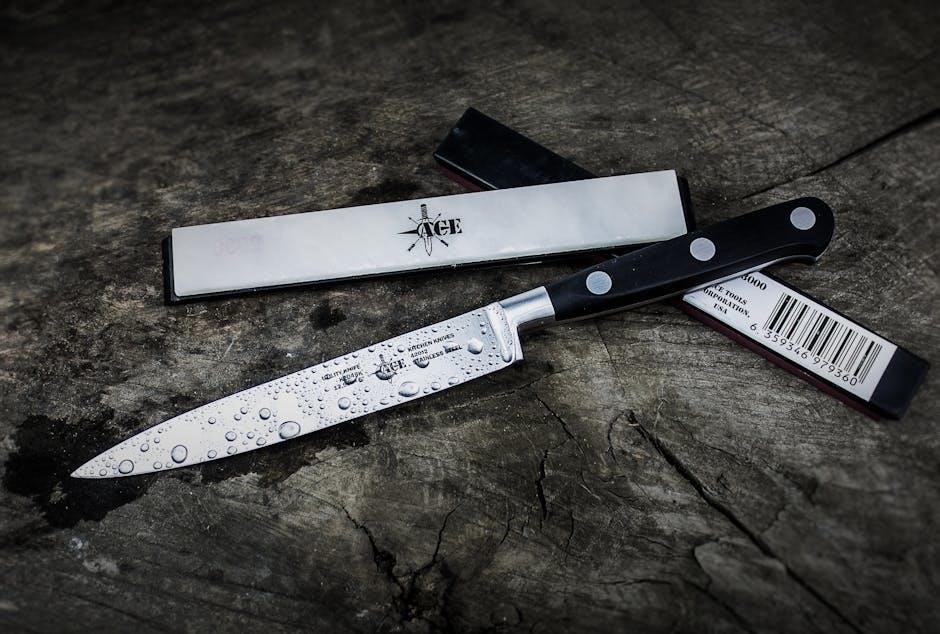
The ideal sharpening angle depends on the knife’s type, intended use, and steel hardness, ensuring a balance between edge sharpness and durability for optimal performance.
3.1 Knife Type and Its Intended Use
Different knife types require specific sharpening angles based on their use. For example, chef knives benefit from angles between 12-18 degrees for sharpness, while outdoor knives may need steeper angles around 20-25 degrees to enhance durability. This variation ensures the knife performs optimally for its intended purpose, whether precision cutting or heavy-duty tasks.
3.2 Steel Hardness and Edge Durability
Steel hardness significantly influences the ideal sharpening angle, as harder steels can withstand sharper angles for precision, while softer steels require steeper angles to maintain edge durability. Softer steels benefit from angles around 25-30 degrees to prevent wear, whereas harder steels can be sharpened at lower angles, like 15-20 degrees, for a finer edge. Balancing sharpness and durability is key.
Recommended Sharpening Angles for Popular Knives
Popular knives like chef knives often use 12-20 degree angles for sharpness, while pocket knives may opt for 20 degrees to balance durability and precision effectively.
4.1 Chef Knives: Optimal Angles for Sharpness and Durability
Chef knives thrive at 12-20 degree angles, balancing sharpness and durability. This range ensures precise cuts while maintaining edge strength, ideal for repetitive kitchen tasks. A 15-18 degree angle is often recommended for versatility, providing a keen edge that withstands daily use. Proper angle maintenance enhances performance and extends the knife’s lifespan significantly in busy kitchens.
4.2 Pocket and Outdoor Knives: Balancing Sharpness and Strength
Pocket and outdoor knives require a 20-30 degree angle for optimal balance. This steeper angle enhances edge strength, crucial for heavy-duty tasks. A 25-degree angle is often ideal, offering durability while maintaining sharpness. This ensures reliable performance in rugged conditions, making it suitable for camping, hunting, or everyday carry, where both strength and sharpness are essential for versatility and safety.

The Role of Angle Guides in Sharpening
Knife sharpening angle guides are tools that help maintain consistent blade angles during sharpening, ensuring precision and making the process easier for users of all skill levels.
5.1 How Angle Guides Help Achieve Precision
Angle guides ensure consistency by holding the knife at a fixed angle, preventing deviations during sharpening; This stability allows for precise edge formation, making the blade sharper and more durable. They are especially useful for beginners, as they simplify the process and help achieve professional-level results with minimal effort and practice.
5.2 Types of Angle Guides Available
Various angle guides cater to different sharpening needs. Fixed-angle guides offer preset angles for simplicity, while adjustable guides allow customization. Guided field sharpeners combine portability with precision, and some systems include interchangeable components. These tools enhance versatility, ensuring optimal results for knives of all types and user skill levels, from professionals to beginners.
How to Choose the Right Angle Guide
Selecting the right angle guide involves considering adjustability, compatibility with your knife type, and ease of use. Opt for guides offering versatility to suit various sharpening needs and knife styles.
6.1 Features to Look for in a Sharpening Angle Guide
When selecting a sharpening angle guide, key features include adjustable angle settings, durability, and compatibility with various knife types. Look for guides with clear markings and easy-to-use mechanisms. Some guides also offer dual-sided functionality, accommodating both large and small knives. Additionally, consider guides with rust-resistant materials for long-term use. These features ensure precision and versatility in sharpening different blades effectively.
6.2 Adjustability and Compatibility with Different Knives
An ideal angle guide should offer adjustability to accommodate various knife types, from chef knives to pocket knives. Compatibility with different blade sizes and steel hardness is crucial. Look for guides that can be easily adapted to suit the specific needs of each knife, ensuring optimal sharpening angles for both sharpness and durability across a wide range of blades.

Step-by-Step Guide to Using an Angle Guide
Position the knife at the desired angle, place the guide, and sharpen in smooth strokes. Check progress regularly and adjust as needed for optimal results.
7.1 Setting Up Your Sharpening Station
Start by gathering your tools: a sharpening stone, angle guide, and knife. Place the stone on a stable surface and position the knife at the desired angle using the guide. Ensure the blade is aligned correctly and maintain light pressure. A well-prepared station ensures consistency and safety during the sharpening process, helping you achieve professional results.
7.2 Sharpening Your Knife with Precision
With your station set, align the knife’s spine with the angle guide. Draw the blade across the stone, maintaining light pressure and the desired angle. Repeat strokes evenly, checking progress with each pass. Consistency is key to achieving a razor-sharp edge, ensuring your knife performs optimally for its intended use.
Common Mistakes to Avoid When Using Angle Guides
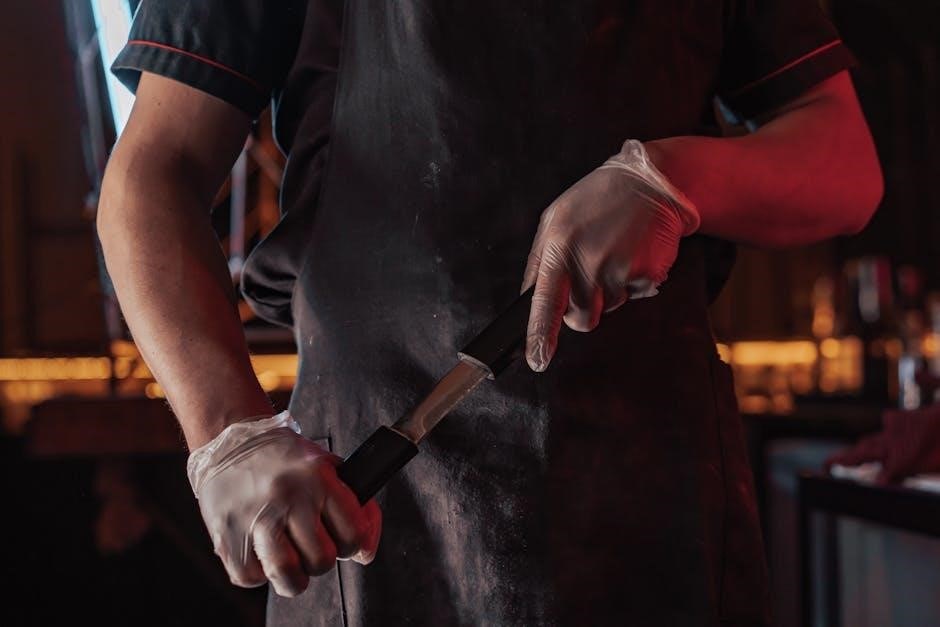
Incorrect angle setup and inconsistent strokes are common errors, leading to uneven edges. Avoid applying too much pressure, as it can damage the blade or stone.
8.1 Incorrect Angle Setup and Its Consequences
Incorrect angle setup is a common mistake that can lead to poor sharpness and reduced edge durability. If the angle is too steep, the knife may become overly delicate, while too shallow an angle can result in a dull edge. This inconsistency makes the blade less effective for its intended use and requires more frequent sharpening to maintain performance.
8.2 Maintaining Consistency During the Sharpening Process
Maintaining consistency during sharpening is crucial for achieving a sharp, durable edge. Without proper angle guides, it’s easy to vary the angle, leading to uneven edges and reduced effectiveness. Using angle guides ensures steady, uniform strokes, resulting in a consistently sharp blade that performs optimally for its intended use, minimizing the need for frequent sharpening and extending the knife’s lifespan.
Maintaining the Sharpening Angle Over Time
Regular honing and periodic angle checks ensure the blade retains its optimal sharpness. Consistent use of angle guides helps preserve the edge quality over time effectively.
9.1 Tips for Long-Term Edge Maintenance
Regular honing and storing knives properly prevent dulling. Using angle guides ensures consistent sharpening, while avoiding cutting hard objects preserves edge integrity. Cleaning and drying knives after use also extends their lifespan, maintaining sharpness and durability over time for optimal performance in various tasks and applications.
9.2 When to Adjust the Sharpening Angle
Adjust the sharpening angle when switching between knife types or intended uses. For example, transition from a sharper angle for chef knives to a more durable angle for outdoor knives. If the edge becomes too delicate or prone to chipping, increasing the angle slightly can enhance strength. Conversely, for finer cuts, lowering the angle may improve sharpness, ensuring optimal performance for specific tasks.
Mastering knife sharpening with angle guides enhances precision, consistency, and blade performance. By understanding and applying optimal angles, you ensure durable, sharp edges tailored to each knife’s purpose and steel type, achieving professional results with confidence and ease in every sharpening session.
10.1 Summary of Best Practices for Using Angle Guides
For optimal results, always select angle guides suited to your knife’s type and steel hardness. Maintain consistent angles throughout sharpening, start with coarser stones for initial shaping, and progress to finer grits for polishing. Regularly check edge durability and adjust angles as needed. Proper maintenance ensures longevity and sharpness, while consistent technique avoids common mistakes like uneven edges or overly aggressive bevels, preserving the knife’s integrity and performance over time with minimal effort and maximizing the tool’s lifespan and functionality.
10.2 Final Thoughts on Mastering Knife Sharpening
Mastering knife sharpening requires consistency, patience, and practice. By using angle guides effectively and understanding your knife’s steel type, you can achieve precise, long-lasting edges. Remember, proper technique and regular maintenance are key to ensuring your knives perform at their best. With dedication, anyone can refine their skills and enjoy the satisfaction of a perfectly sharpened blade.